A weird machine is a computer science concept describing provocative lines of code that make machines run outside the specs of their original designs AND PROGRAMMING, producing unexpected outputs and states.
THIS SAME CONCEPT can be applied TO HOW WE GO ABOUT creating CHANGe in complex social systems like cities, COMMUNITIES, ORGS, and the mechanics of civic life, thinks stephen walter (person).
FEATURED WORK



“Beginning...
is the supreme capacity of a human being...
it is identical to freedom.
This beginning is guaranteed by each new birth;
it is indeed every person.
And though we must die,
we are not born in order to die
but in order to begin.”
-Hannah Arendt, The Human Condition, 1958 AD
↓
SOME WORK
I’M A DESIGN ACTION RESERCHER WHO MAKES THINGS, STUDIES THEIR IMPACT, AND TELLS STORIES ABOUT A WORLD WHERE MORE PEOPLE CARE TO HELP DRAW ITS SHAPE.
Search Patterns
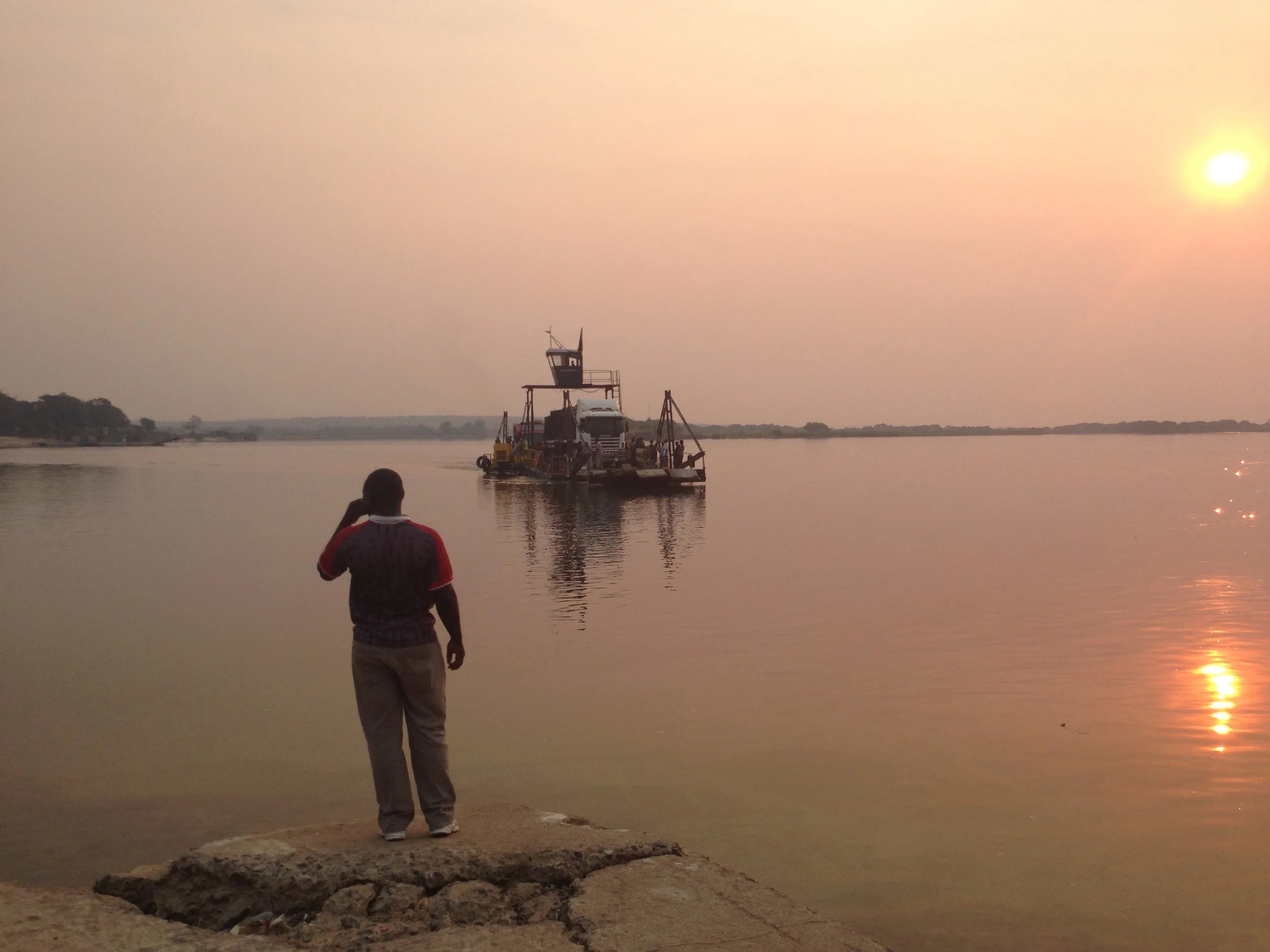
I work mostly at intersections and the in-between — of life, of domains and fields, of institutions and habits. Here is a photo of an intersection I took that sits at a river crossing between 4 countries. I’m most at home when I’m lost.
SOME Experience
My work explores how things like play, games, media, technology, care, and harm reduction lead to civic and social systems that are more just, creative, and resilient.
All footage I took over the years at my projects.
Some Idea of Me
Zen master Baoche of Mt. Mayu was fanning himself.
A monk approached and said, "Master, the nature of wind is permanent and there is no place it does not reach. Why, then, do you fan yourself?"
"Although you understand that the nature of the wind is permanent," Baoche replied, "you do not understand the meaning of its reaching everywhere."
"What is the meaning of its reaching everywhere?" asked the monk again.
The master just kept fanning himself. The monk bowed deeply. Zen Master Dōgen
Shōbōgenzō Genjōkōn, 1233 AD

An image of a bird smoking cigarettes that represents the in-between soul of the dead uncle of a subject in the book Life Beside Itself, an ethnography about suicide that explores Inuit understandings of life, death, and care, by Lisa Stevenson, 2014 AD.
Interested in the real theory of weird machines?
"Composition creates weird machines: parallel universes of computers. Any complex system turns out to be casting mini shadows. And of these shadows only one is what you intended. That is the development environment you work on. Everything else is a weird machine. Whose instructions are actually combinations of your well designed features. But it will run the attackers code. And do exactly what we defined as undermining your trust assumptions. leading to behavior that is entirely unexpected by the designer of the machine.” - Sergey Bratus
“From a theoretical perspective, the emergence of weird machines becomes clear when one considers software as a way to restrict the number of reachable states and state transitions of a computer: The general-purpose CPU is, through software, specialized to simulate a finite-state machine(with potentially very large state space). Many states the CPU could be in are excluded, and certain state transitions are ruled out - for example those that violate the software's security requirements. When the system is somehow moved into a state that "makes no sense" when viewed from the perspective of the intended finite-state machine (through memory corruption, hardware failure, or other programming mistakes), the software will keep transforming the broken state into new broken states, triggered by further user input. A new computational device arises: The weird machine which can reach different states … than the programmer ever anticipated, and which does so in reaction to the attacker controlled inputs.” - Wikipedia
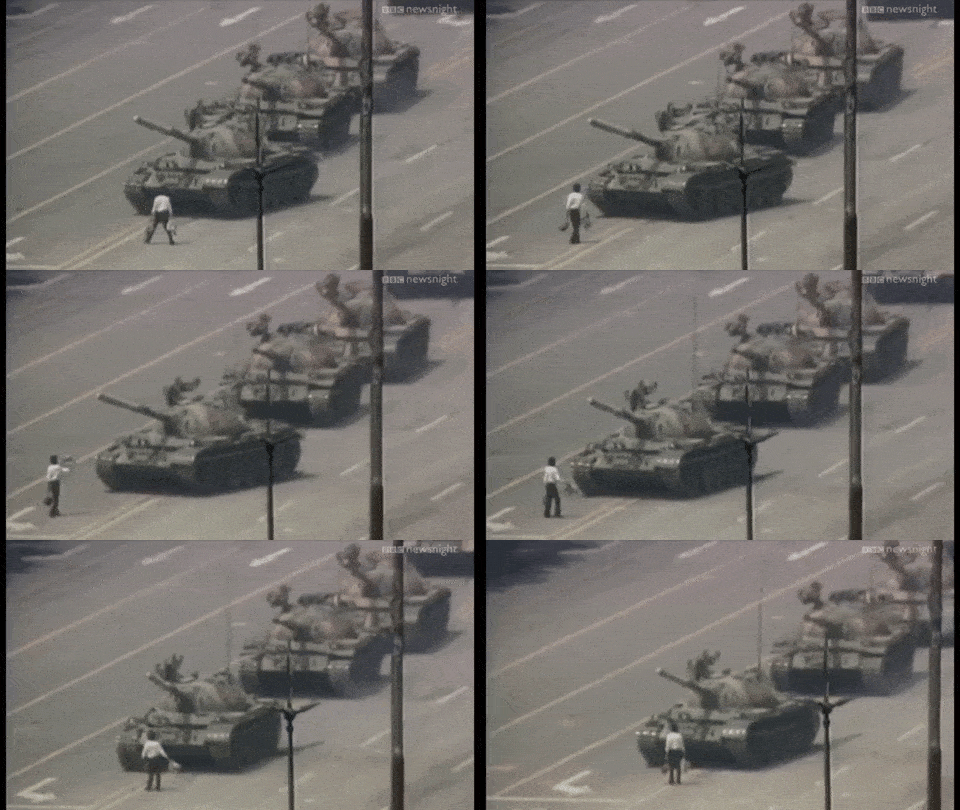
In a civic and social system, a weird machine is a productive metaphor. The CPU is government, the software is the set of learned habits and rules of the road all are supposed abide by, the reachable states are the actions and ways of being that people are allowed to pursue, and the programmer is everything that exists to keep the people in line as “good users” of the system — from the courts, to the police, to mass media, to the economy, to the educational system. A protest that shuts down a city, an act of civil disobedience that causes controversy, public art that stops people in their tracks and forces them to look at the world differently, an app that allows people to take new kinds of actions together, open data tools that hold policymakers accountable and reveal hidden patterns are hacks.
These are all new lines of code that people can inject into the system that may lead it to change states. A new “state” might be one in which a previously oppressed group of people achieves new rights and freedoms within the system, or in which people find new ways to care and look out for each other, or in which the system becomes less brittle and more flexible to remain resilient in the face of unexpected shocks like climate change. Those who keep the system weird are enabling it to remain a living, growing thing, able to change with the times and respond to the calls of the suffering, the struggling, the seekers of justice.